
"coffee production Venezuela"
900 article(s) found

Colombia Santa Rita Coffee Green Bean Washing in Andes Microregion
The history of coffee cultivation in Colombia can be traced back to the Spanish colonial era in the 16th century. There are also many sayings about the history of coffee in Colombia: First, it is said to have been transmitted from the Caribbean island of Haiti via El Salvador in Central America. Second, coffee beans were first introduced into Colombia in 1808 by a priest from the French Antilles via Venezuela. one of

Colombian Santa Rita Coffee Manor Andes Micro-producing area American Coffee
The history of coffee cultivation in Colombia can be traced back to the Spanish colonial era in the 16th century, and there are many theories about the history of coffee in Colombia: one: it is said to come from the island of Haiti in the Caribbean and from El Salvador in Central America. Second: in 1808, a priest introduced coffee beans to Colombia for the first time from the French Antilles via Venezuela. One of them
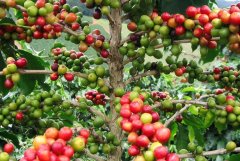
The history of coffee cultivation in Colombia is known as "green gold".
The history of coffee cultivation in Colombia can be traced back to the Spanish colonial era in the 16th century, and there are many theories about the history of coffee in Colombia: one: it is said to come from the island of Haiti in the Caribbean and from El Salvador in Central America. Second: in 1808, a priest introduced coffee beans to Colombia for the first time from the French Antilles via Venezuela. One of them
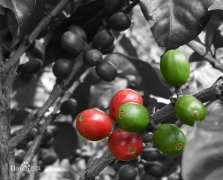
Micro-producing area of Santa Rita coffee in the Andes, Colombia
The history of coffee cultivation in Colombia can be traced back to the Spanish colonial era in the 16th century, and there are many theories about the history of coffee in Colombia: one: it is said to come from the island of Haiti in the Caribbean and from El Salvador in Central America. Second: in 1808, a priest introduced coffee beans to Colombia for the first time from the French Antilles via Venezuela. One of them

Ningbo Yangtze River Delta International Cultural Industry Expo last day Malaysian hand-painted Cuban coffee
In addition to Belt and Road Initiative International Pavilion, other pavilions are also very popular. The picture shows that in the non-heritage exhibition hall, citizens are visiting the works of national inscriptions Zhu Bingren and Zhu Junmin, reporter Jia Dongliu photographed the crowded people who have watched and experienced the exhibition at the International Convention and Exhibition Center in the past two days after the opening of Ningbo Yangtze River Delta International Cultural Industry Expo last Friday. After the interview, the reporter found that the hand-painted in Malaysia, the devil dance in the Venezuelan pavilion, and the tunnel.

Historical and cultural stories of Colombian coffee beans there are several differences between Colombian coffee producing areas
For more information on coffee beans, please follow the Coffee Workshop (Wechat official account cafe_style). The story of Colombia reviews the history of coffee in Colombia. Coffee was probably introduced by Venezuela, probably dating back to 1730. The oldest reference on coffee was written by the Reverend Joseph Gumilla in his book El Orino.

Colombian Coffee Flavor Taste Manor production area introduces Hope Manor
The history of coffee cultivation in Colombia can be traced back to the Spanish colonial era in the 16th century, and there are many theories about the history of coffee in Colombia: one: it is said to come from the island of Haiti in the Caribbean and from El Salvador in Central America. Second: in 1808, a priest introduced coffee beans to Colombia for the first time from the French Antilles via Venezuela. One of them

Introduction to the method of flavor description and taste treatment of Colombian boutique coffee beans
The history of coffee cultivation in Colombia can be traced back to the Spanish colonial era in the 16th century, and there are many theories about the history of coffee in Colombia: one: it is said to come from the island of Haiti in the Caribbean and from El Salvador in Central America. Second: in 1808, a priest introduced coffee beans to Colombia for the first time from the French Antilles via Venezuela. One of them
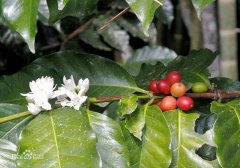
American coffee beans in the micro-producing areas of the Santa Rita Andes, Colombia
The history of coffee cultivation in Colombia can be traced back to the Spanish colonial era in the 16th century, and there are many theories about the history of coffee in Colombia: one: it is said to come from the island of Haiti in the Caribbean and from El Salvador in Central America. Second: in 1808, a priest introduced coffee beans to Colombia for the first time from the French Antilles via Venezuela. One of them

Introduction to the characteristics of coffee flavor and taste varieties in Santa Rita Manor, Colombia.
After the news of Napoleon I's invasion of Spain in 1808 spread to Colombia, the people of that place immediately launched an independence movement. On July 20, 1810, a large-scale uprising against Spanish colonial rule broke out in Bogota and the Governor of New Granada was arrested. In November 1811, representatives from all over the world organized Congress in Bogota and established the New Granada Joint Provincial Government, which was announced on November 11.

American boutique coffee flavor Columbia Santa Rita santa
The history of coffee cultivation in Colombia can be traced back to the Spanish colonial era in the 16th century, and there are many theories about the history of coffee in Colombia: one: it is said to come from the island of Haiti in the Caribbean and from El Salvador in Central America. Second: in 1808, a priest introduced coffee beans to Colombia for the first time from the French Antilles via Venezuela. One of them

Water washing treatment of Santa Rita coffee beans in micro-producing areas of the Andes Mountains
The history of coffee cultivation in Nigeria can be traced back to the Spanish colonial era in the 16th century, and there are many theories about the history of coffee in Colombia: first, it is said to have come from the island of Haiti in the Caribbean and from El Salvador in Central America. Second: in 1808, a priest introduced coffee beans to Colombia for the first time from the French Antilles via Venezuela. One of them is

Introduction to the producing areas of the characteristics of the Flavor description treatment method of Colombia Emerald Coffee Bean Manor
Colombian Emerald Coffee introduces the history of coffee cultivation in Colombia, which can be traced back to the Spanish colonial era in the 16th century. There are also many theories about the history of coffee in Colombia: one: it is said to come from the island of Haiti in the Caribbean and from El Salvador in Central America. Second: in 1808, a priest transferred coffee beans from the French Antilles to Venezuela.

How to buy coffee beans from all over the world
Professional barista exchanges, please pay attention to coffee workshop (Weixin Official Accounts cafe_style) Latin America has beautiful layer changes, excellent alcohol degree, fine fruit acid Latin America Mexico, Guatemala, Honduras, El Salvador, Nicaragua, Costa Rica, Panama,
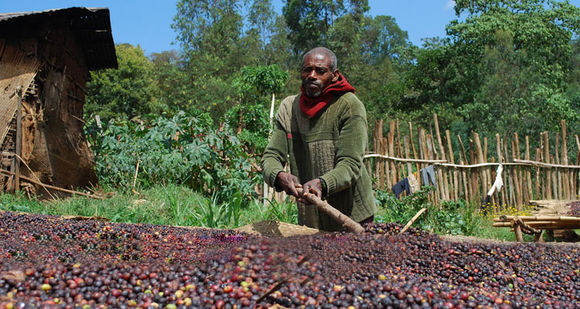
China Coffee Network recommends Colombian coffee beans history mocha round bean honey to treat South American beans
The history of coffee cultivation in Colombia can be traced back to the Spanish colonial era in the 16th century, and there are many theories about the history of coffee in Colombia: first, it is said to come from the island of Haiti in the Caribbean and by water through El Salvador in Central America. Second: in 1808, a priest introduced coffee beans to Colombia for the first time from the French Antilles via Venezuela. Its

Introduction to the flavor description of Colombian coffee beans produced by grinding scale
Colombia is rich in products, especially coffee, flowers, gold and emeralds known as the four treasures. In 1808, a priest introduced coffee to Colombia for the first time from the French Antilles via Venezuela. Today, the country is the second largest coffee producer after Brazil, the world's largest exporter of Arabica coffee beans and the world's largest exporter of washed coffee beans. Columby
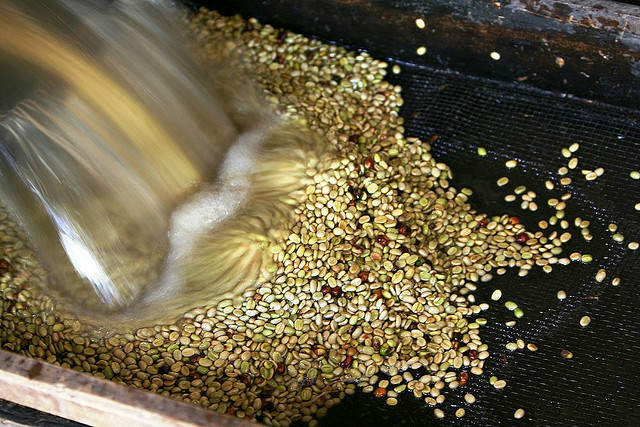
China Coffee Network Historical Coffee Variety grown in Colombia Kadu Ekadura washing treatment
The history of coffee cultivation in Colombia can be traced back to the Spanish colonial era in the 16th century, and there are many theories about the history of coffee in Colombia: one: it is said to come from the island of Haiti in the Caribbean and from El Salvador in Central America. Second: in 1808, a priest introduced coffee beans to Colombia for the first time from the French Antilles via Venezuela. One of them

Coffee Culture in Colombia, the second largest Coffee producer in the World
Colombia is located in northwestern South America, bordered by the Pacific and Atlantic oceans. Panama in the northwest, Venezuela in the east, Brazil in the southeast, Peru in the south and Guadore in the southwest. Columbia Super Coffee is a representative and excellent variety of Arabica coffee. It is a traditional deep-roasted coffee with a strong and memorable taste. Its aroma

Colombian coffee bean quotation Colombian coffee bean recommended Colombian price
Professional coffee knowledge exchange more coffee bean information please follow the coffee workshop (Wechat official account cafe_style) Republic of Colombia (Spanish: Repblica de Colombia), referred to as Colombia. Colombia is located in the northwest of South America, bordered by Venezuela and Brazil to the east, Ecuador and Peru to the south, Panama to the northwest, the Caribbean to the north and the Caribbean to the west.

Special treatment of Huilan Plateau Diamond Manor in Huilan, Colombia Yellow bourbon grows coffee beans
The history of Colombian coffee dates back to 1808. A priest brought coffee to Colombia for the first time from the French Antilles via Venezuela. The suitable climate in Colombia provides a real natural pasture for coffee. Since then, coffee trees have taken root in this country. The country has also become the second largest coffee producer after Brazil and the world's largest Arabica coffee.